

Vinyl Siding Painted the Safe Way
Vinyl siding holds its shape for decades, but not its color — UV slowly bleaches it toward that washed-out gray-beige that makes a whole street look the same age. Homeowners paint vinyl for two reasons: the color they have has faded past saving, or the color they chose fifteen years ago was never the one they wanted. Either way, painting delivers the transformation of new siding without a tear-off.
The catch is physics. Vinyl expands and contracts significantly as temperatures swing — and in Michigan they swing hard — while dark colors absorb enough solar heat to permanently distort a panel that was never engineered for them. This is a surface where the color decision is a technical decision. We work strictly within the Vinyl-Safe palette, and our Certified Color Consultant, Lori, helps you find a shade you love inside those limits as part of the free color consultation that comes with every project.
The Rules Vinyl Makes You Play By
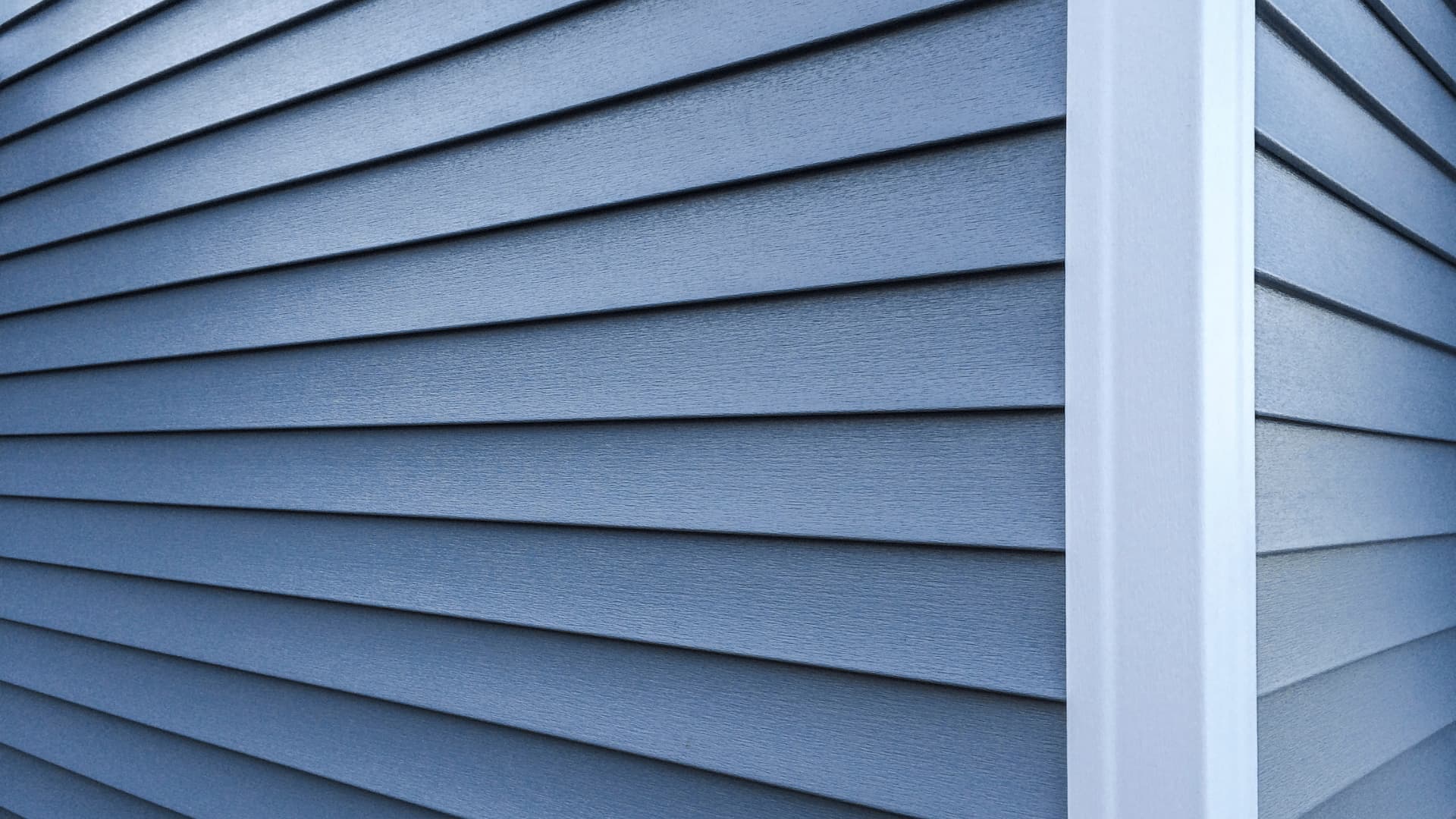
How We Do It Right
- 1Color qualificationBefore anything else, we confirm your color works for your siding — anything darker than the original tone has to come from the Vinyl-Safe palette, full stop. Lori builds the whole exterior scheme around that constraint during your free color consultation, so the limit never feels like one.
- 2WashFree power washing with every full paint job removes dirt, mildew, and the oxidized surface layer aged vinyl develops. Paint bonds to clean PVC, not to the powder sitting on top of it.
- 3Panel repairCracked, brittle, or impact-damaged panels get replaced before painting — we carry matching profiles through our siding division, so repairs disappear into the wall instead of reading as patches.
- 4Bonding primer where it's earnedSlick or heavily weathered areas get Stix Bonding Primer, a urethane-modified acrylic that grips PVC where standard primers can't. It's the insurance policy that keeps the finish tight at the laps through years of expansion cycles.
- 5Two thin coats, right conditionsRegal Select is our standard vinyl topcoat, with Aura for the deepest Vinyl-Safe shades. We apply two thin coats in moderate temperatures and work around direct summer sun — paint that flashes off too fast on a hot panel shows every lap line.
- 6Final walkthroughWe walk the house with you at the end: laps, corners, penetrations, trim lines. Vinyl shows sloppy edges more than textured surfaces do, so the detail check is part of the job, not a courtesy.
What We Put On It
Every product below links to its full page — real technical specs from the manufacturer, not marketing copy.
What Drives the Cost
Flip through the Cost & Color Gallery to see vinyl-sided homes we've transformed — including the Vinyl-Safe colors used and what each project actually cost.
Browse Real Projects & CostsFrequent Questions
It's legitimate — with the right system. Modern flexible acrylics bonded to properly cleaned vinyl move with the panels instead of cracking, and Vinyl-Safe colors keep heat absorption below the distortion threshold. The gimmick version is ordinary paint in whatever color you like; that's the one that ends in warped panels and peeling laps.
Darker than the original siding color, yes — but only from the Vinyl-Safe palette, which is engineered to reflect enough heat to protect the panels. There are genuinely handsome deep shades in that range. Lori walks you through exactly what's available for your siding during the free color consultation.
Substantially — painting keeps your existing panels, window wraps, trim, and landscaping untouched, while residing replaces all of it. If your vinyl is structurally sound and just tired-looking, painting is the better-value move. If panels are failing, we install new siding too, and we'll tell you honestly which side of that line your house is on.
A flexible premium acrylic over properly cleaned and primed vinyl holds up well through Michigan's freeze-thaw cycling — the coating is engineered to move with the panel. Our workmanship is covered by a 2-year standard warranty, extendable to 4 years.
Two failure modes do most of the damage: the wrong color choice, which can permanently warp panels, and paint over invisible oxidation, which peels at the laps. Neither mistake shows up until months after the job looks done. Vinyl is one of the least forgiving surfaces to learn on, because the worst outcome isn't repainting — it's replacing siding.
Ready for a Straight Answer on Your Vinyl Siding?
Free estimate, written surface-by-surface plan, and a free color consultation with every project — no pressure, ever.